Swimming with Sea Turtles in Hikkaduwa: Where to Find Them for Free
Leo Matthews
1/7/2026

By Leo Matthews
There are very few places in the world where you can walk off the beach and bump into a wild sea turtle the size of a coffee table. Usually, you need a boat, a guide, and a lot of luck.
But Hikkaduwa is different.
Here, the giant Green Sea Turtles are not just visitors; they are locals. They come to the shore every single day to feed on the seagrass and algae growing on the shallow reef. For travelers, this offers a rare and magical opportunity to swim alongside these ancient creatures completely for free.
If this is on your bucket list (and it should be!), here is your complete guide on where to find them and how to do it responsibly.
Where is "Turtle Beach"?
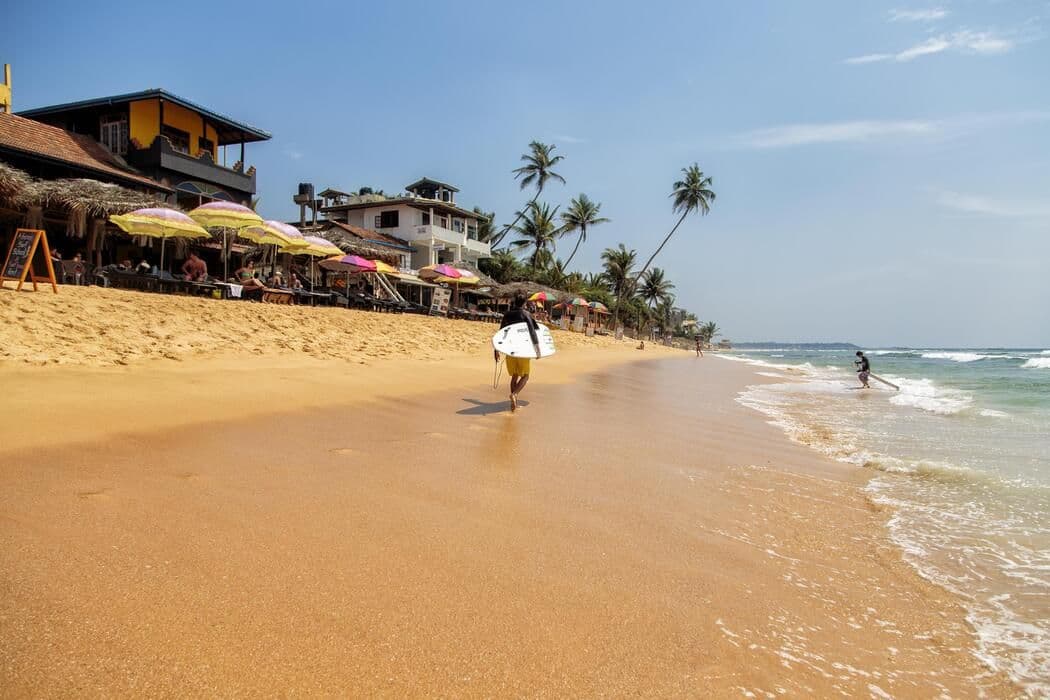
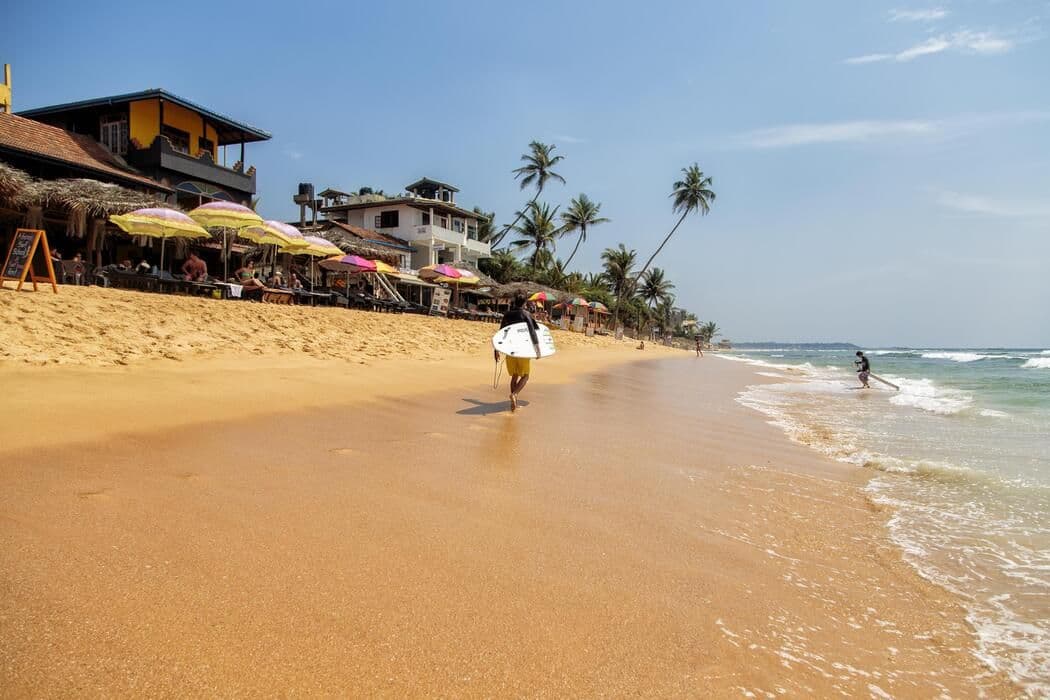
You won't find "Turtle Beach" on every map, but it is the worst-kept secret in town. The spot is located at the northern end of Hikkaduwa Beach, specifically in the small bay directly in front of the Hikka Tranz by Cinnamon hotel.
You don't need to be a guest at the hotel to access it. The beach is public. Just walk along the sand until you see a rocky outcrop and a gathering of people standing in knee-deep water. You will know you are in the right place when you see the dark, round shapes gliding through the clear water.
Meeting the Giants: What to Expect
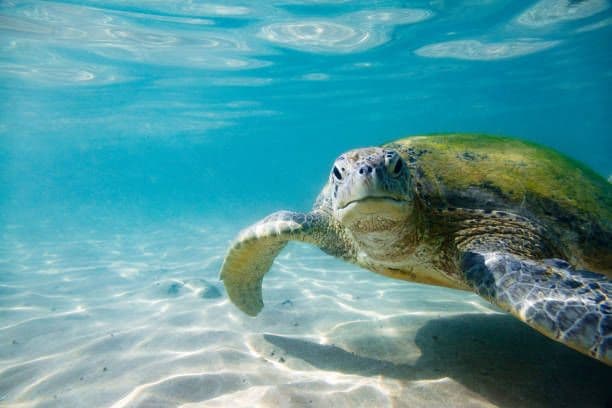
These are not small hatchlings. The turtles that frequent this bay are fully grown Green Sea Turtles, some weighing over 100 kilograms and living for nearly 80 years.
When you wade into the water, they are often surprisingly bold. They are used to human presence and will swim right around your legs. The water here is usually calm and clear, so you don't even need a snorkel mask to see them, although bringing one (or renting one from the beach boys) makes the experience much better.
Dipping your head underwater reveals the true grace of these animals. Watching them paddle their massive flippers and glide effortlessly against the current is a mesmerizing sight.
The Best Time to Go
The turtles are wild animals, so they don't run on a strict schedule, but they are incredibly consistent.
Morning (8:00 AM - 10:00 AM): This is the best time for visibility. The water is glass-like, and the sun is not too harsh. Late Afternoon (4:00 PM - 5:30 PM): This is often feeding time. The turtles come very close to the shore as the tide changes.
While you can see them year-round, the peak season from November to April guarantees the calmest seas, making it easier to stand in the water and observe them.
A Critical Guide to Responsible Interaction
This is the most important part of your visit. Because these turtles are so friendly, it is easy to forget that they are wild, endangered animals. Their survival depends on us respecting their space.
1. Do Not Touch the Turtles It is tempting to reach out and stroke their shell, but you must resist. Sea turtles have a layer of mucus on their shell that protects them from bacteria and diseases. Human oils and sunscreen can break down this layer, making them sick. Also, a stressed turtle can bite—and their beaks are designed to crush coral!
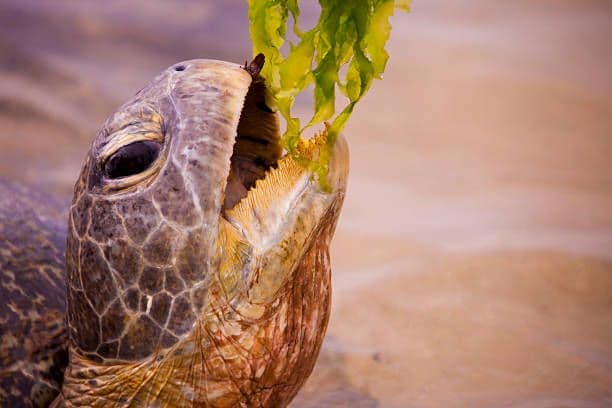
2. Avoid Feeding Them Bread You might see locals or tourists feeding them seaweed. While seaweed is their natural food, feeding them bread or other human food is harmful to their digestion. It is always better to watch them forage naturally than to force-feed them for a photo.
3. Give Them Space Do not crowd them. If a turtle is trying to swim away or come up for air, move out of its path. Never grab onto them to "ride" them.
Is it Safe for Kids?
Yes! Because the turtles come into very shallow water (often just ankle or knee-deep), this is a fantastic activity for children. They don't need to be strong swimmers to see them.
However, parents should always supervise. The turtles are large and heavy, and a small wave can push a turtle into a child, which might cause a bruise. Keep a safe distance, and the kids will have a memory they will talk about for the rest of their lives.
The "Free" Experience
Unlike turtle hatcheries where you have to pay an entrance fee (and where turtles are often kept in tanks), this experience is completely free. It is nature, wild and unfiltered.
That being said, there are often local "beach boys" who look after the area. They might offer you seaweed to feed the turtles for a small tip. While not mandatory, if they are helping to keep the crowd organized and preventing people from harassing the animals, a small tip is a nice gesture.
An Unforgettable Encounter Swimming with the Hikkaduwa turtles is magical because it bridges the gap between us and the ocean. It reminds us of the beauty that exists just beneath the waves.
So grab your camera, leave your jewelry at the hotel (turtles might mistake shiny things for fish!), and go say hello to the wise old residents of Hikkaduwa.
Published on 1/7/2026