Snorkeling in Hikkaduwa: A Complete Guide to the Coral Sanctuary
Hannah Brooks
1/10/2026

By Hannah Brooks
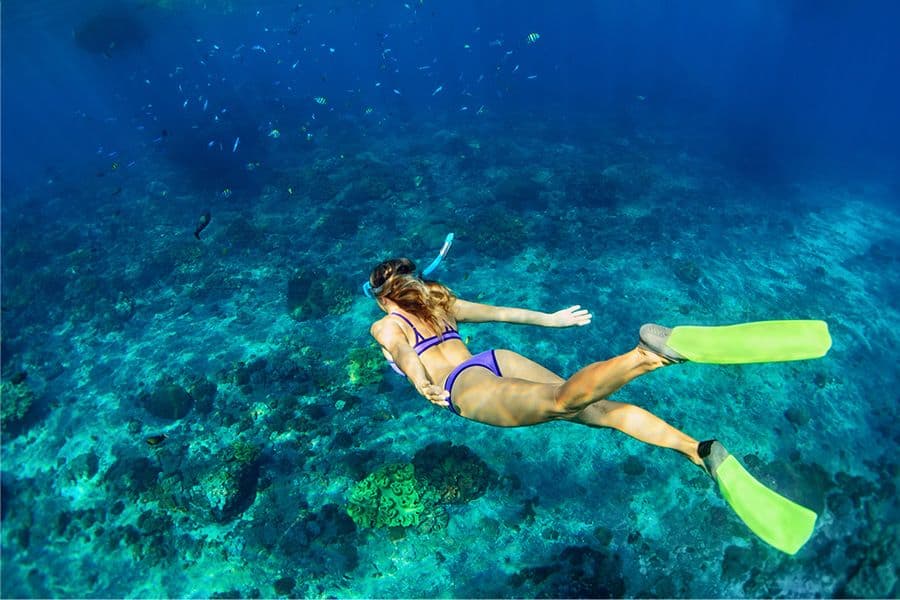
Imagine stepping off the sand and, within seconds, finding yourself surrounded by a living cloud of neon-colored fish. No boats, no long travel times, and no heavy scuba gear required.
This is the magic of Hikkaduwa.
Home to the Hikkaduwa National Park, one of only two marine national parks in Sri Lanka, this town offers some of the most accessible snorkeling in the country. Whether you are a pro-swimmer or a total beginner, the shallow reef here is a window into an underwater world that you simply cannot miss.
Here is everything you need to know about exploring the Hikkaduwa Coral Sanctuary.
Why Hikkaduwa is a Snorkeler’s Paradise
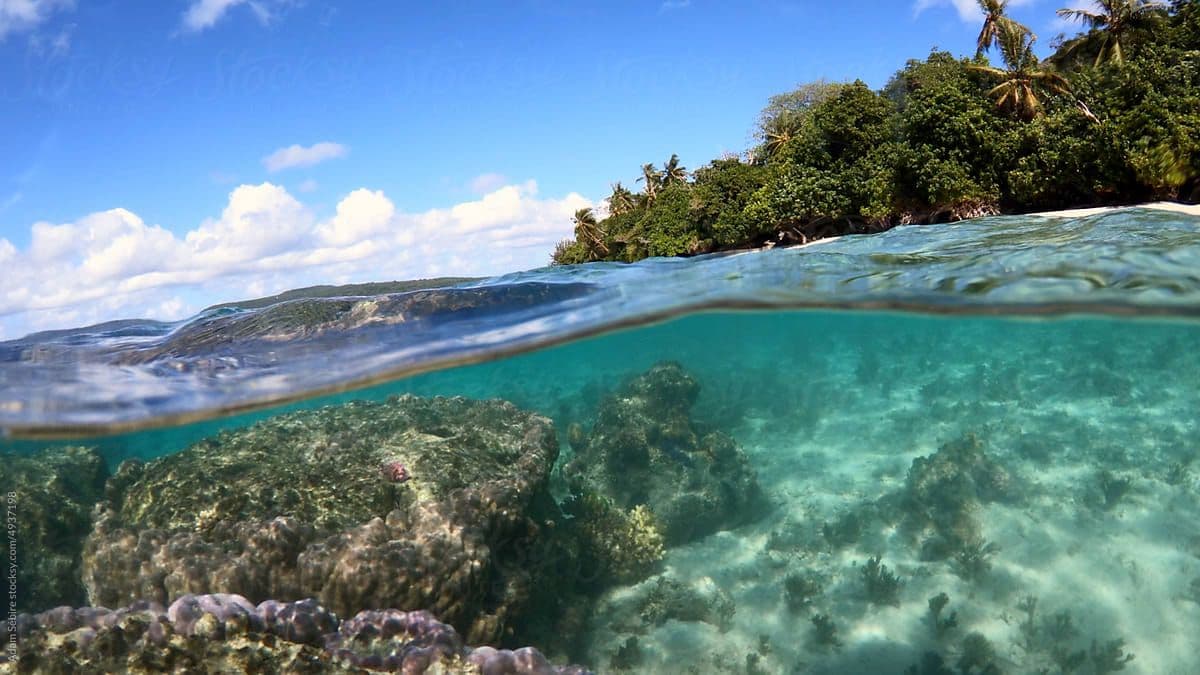
The unique geography of Hikkaduwa is what makes it special. A natural rock formation creates a barrier against the strong ocean waves, resulting in a shallow, lagoon-like pool of water right next to the shore.
Because the water is protected, it is calm and clear, making it perfect for families and first-timers. You don't need to be an Olympic swimmer to enjoy it. In many places, the water is only waist-deep, meaning you can literally stand up (though you should float to protect the coral!) and put your face in the water to see the action.
What You Will See: The Underwater Residents
The moment you dip your mask underwater, the show begins. The Hikkaduwa reef is teeming with activity.
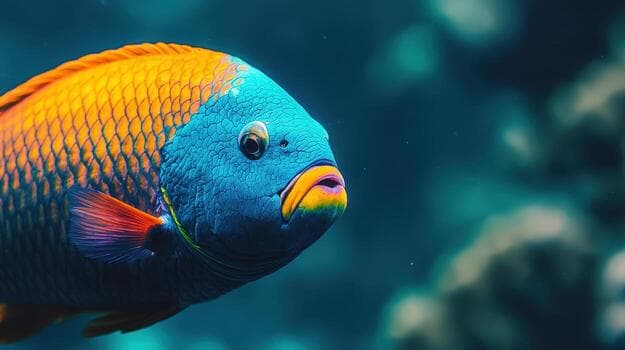
You will immediately be greeted by schools of Sargent Majors small, striped fish that are incredibly curious and will swim right up to your mask. Look a little closer at the rocks, and you will spot the vibrant blue and green Parrotfish crunching on the coral.
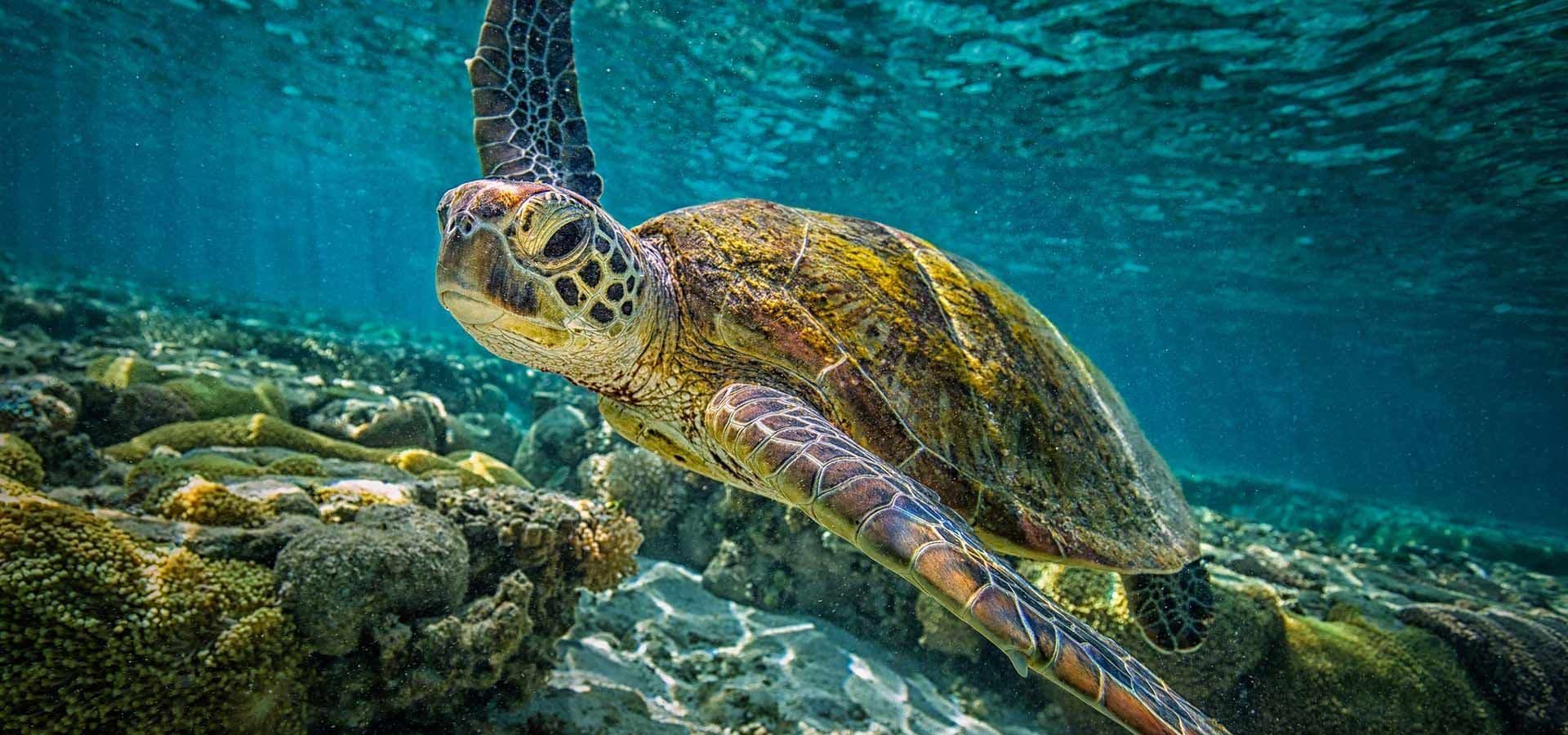
If you are lucky and patient, you might spot a Blacktip Reef Shark. Don't panic! These are small, shy, and harmless to humans. They usually dart away as soon as they see you. And, of course, the stars of the show are the Green Sea Turtles. These gentle giants often drift from the deeper ocean into the shallow reef to feed on seagrass. Swimming alongside a turtle as it glides through the water is a memory that will last a lifetime.
The Best Time to Snorkel
Timing is everything. To get the clearest view and the calmest water, you need to go early.
The Golden Window: 8:00 AM to 11:00 AM During the early morning, the wind is low, and the sun is bright enough to light up the colors of the fish but hasn't yet caused the glare that makes it hard to see. As the day goes on, the wind picks up, making the water choppy and reducing visibility.
The season also matters. The best snorkeling conditions are during the dry season, from November to April. During the monsoon months, the sea can be rough and dangerous, so it is best to stick to the shore.
Renting Gear: Do You Need Your Own?
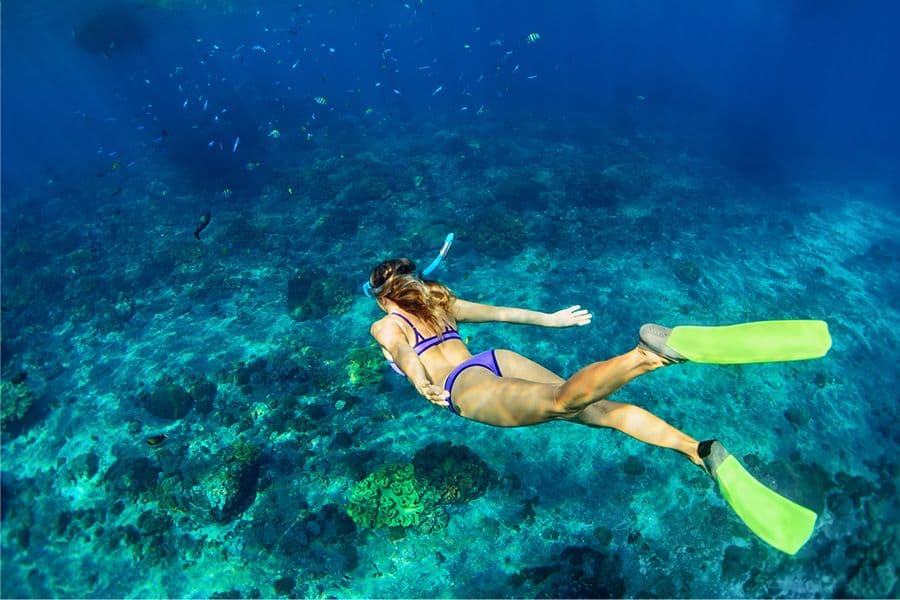
If you have your own mask and snorkel, definitely bring them. But if you don't, there is no need to worry.
The beach directly in front of the sanctuary is lined with rental stalls. You can rent a mask, snorkel, and fins for a very affordable hourly rate. The local "beach boys" are helpful and will often help you fit the mask properly to ensure it doesn't leak.
Pro Tip: If you aren't a strong swimmer, ask to rent a life jacket as well. It allows you to float effortlessly on the surface without getting tired, so you can spend more time watching the fish.
A Note on Conservation: Be a Responsible Traveler
Hikkaduwa’s coral reef has faced challenges over the years, from El Niño warming events to over-tourism. While the fish life is abundant, you will see areas of damaged or dead coral. However, nature is resilient, and there are local projects working to replant and restore the reef.
As a visitor, you play a huge role in protecting what remains.
- Never stand on the coral. Even if it looks like a rock, it might be living coral. Standing on it kills it instantly. Always tread water or float.
- Do not touch the turtles. We know they are cute, but the oils on human skin can damage their shells and make them sick.
- Don't feed the fish. Bread and human food disrupt their natural diet and the ecosystem.
After the Swim: Refresh and Relax
Snorkeling is surprisingly good exercise. Once you emerge from the ocean, you will likely be hungry and salty.
Luckily, the Hikkaduwa beach strip is right there. Walk a few meters up the sand to a beach bar, order a fresh lime soda or a King Coconut, and dry off in the sun. Comparing the fish you saw with your friends while watching the waves roll in is the perfect end to your underwater adventure.
Ready to jump in? The Hikkaduwa Coral Sanctuary is waiting for you. Grab a mask, take a deep breath, and discover the colorful world beneath the surface!
Have you snorkeled in Hikkaduwa? Tell us what cool fish you spotted in the comments below!
Published on 1/10/2026