Discovering History: Visiting the Hikkaduwa Tsunami Museum & Big Buddha
Olivia Bennett
1/10/2026

By Olivia Bennett
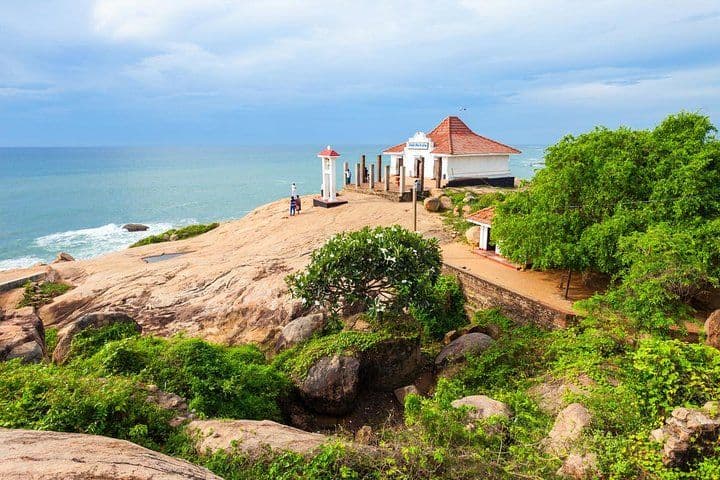
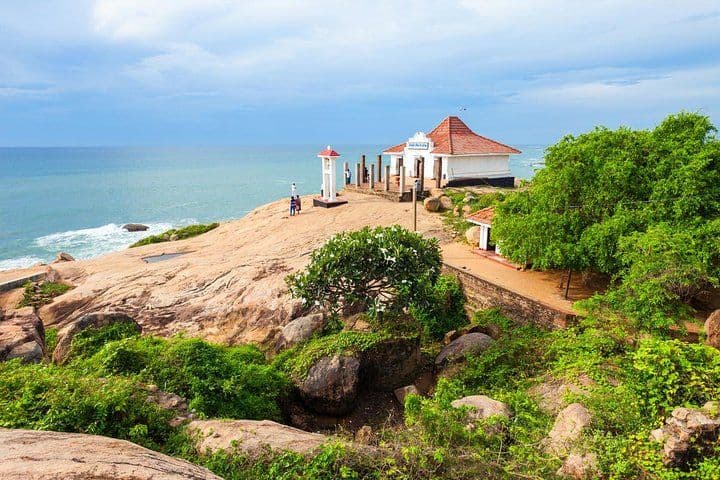
Hikkaduwa is known globally for its vibrant surf culture, neon-lit beach bars, and laid-back island vibe. It is a place of joy and celebration. However, to truly understand this town and its people, you need to look beyond the surf breaks and coconut trees.
The history of Sri Lanka’s southern coast is deeply intertwined with the 2004 Indian Ocean Tsunami. While the event left scars, it also revealed the incredible resilience of the local community.
Just a short drive north of the main party strip lie two poignant landmarks: the Tsunami Honganji Vihara (the Big Buddha) and the Community Tsunami Museum. Visiting them offers a moment of pause, reflection, and a deeper connection to the spirit of Sri Lanka.
The Watchful Guardian: Tsunami Honganji Vihara
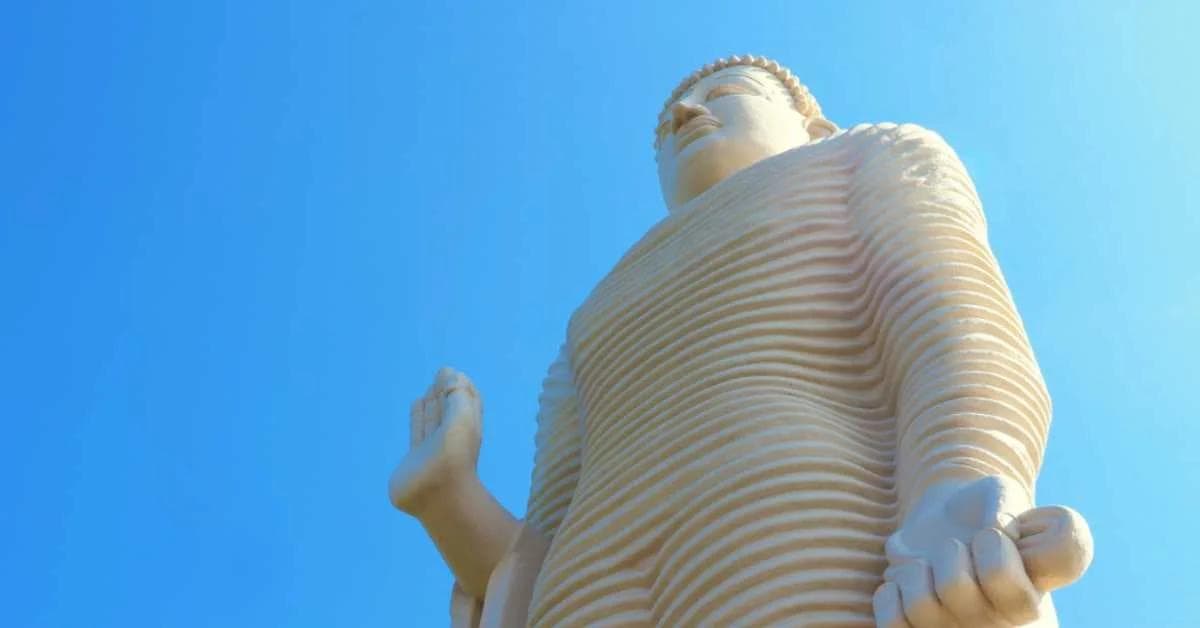
As you drive along the coastal Galle Road past the main town, you cannot miss it. Rising above the palm trees stands a massive, 30-meter tall statue of the Buddha. This is the Tsunami Honganji Vihara, located near the village of Peraliya.
The statue is a replica of the famous Bamiyan Buddhas in Afghanistan, which were destroyed in 2001. But the symbolism here is unique. The Buddha stands on a lotus flower, facing the ocean with a hand raised in a gesture of "Abhaya Mudra," which represents fearlessness and protection.
It feels as though he is standing guard, protecting the land and its people from the sea. The atmosphere on the temple grounds is incredibly peaceful. The sound of the traffic fades away, replaced by the sound of the wind and the distant waves. Walking around the base of the statue, you get a sense of the sheer scale of the memorial. It serves not just as a religious icon, but as a beacon of hope for the families who lost loved ones.
Stories of Survival: The Community Tsunami Museum
A little further down the road in Telwatta, you will find the Community Tsunami Photo Museum. It is easy to drive past if you aren't looking for it. It isn't a government-funded, glass-walled building. Instead, it is a humble, family-run establishment, often managed by a local woman who survived the event herself.
This is what makes the experience so powerful. It is raw, personal, and real.
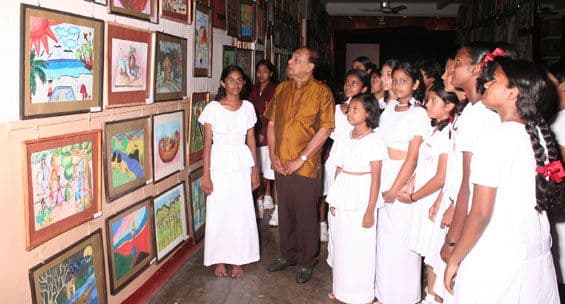
Inside, the walls are covered with photographs taken during and immediately after the tsunami. They show the rising waves, the aftermath, and the long road to recovery. There are also sections dedicated to children’s artwork drawings that express the trauma and hope of the youngest survivors.
Listening to the stories of the caretaker adds a layer of depth that you cannot get from a guidebook. She often explains the significance of each photo, sharing tales of neighbors helping neighbors and the global support that poured in. It is an emotional visit, but it is not about dwelling on sadness; it is about honoring memory and witnessing the strength of the human spirit.
The Peraliya Train Memorial
Located very close to the Buddha statue is another significant site often visited on the same trip: the memorial for the Queen of the Sea (Samudra Devi) train disaster.
In 2004, the tsunami waves struck a crowded passenger train here, resulting in the largest single rail disaster in history. Today, the tracks have been rebuilt, and trains rush past daily, symbolizing life moving forward. A modest monument stands near the tracks, preserving the memory of the passengers. Standing on the tracks where nature once overwhelmed technology is a sobering reminder of the power of the ocean.
How to Visit and Respectful Etiquette
Visiting these sites is easy and requires only a couple of hours.
Getting There The best way to visit is to hire a tuk-tuk from Hikkaduwa town. The drive takes about 15 to 20 minutes. Most drivers know these spots well and can act as informal guides, waiting for you while you explore.
Dress Code The Honganji Vihara is a Buddhist temple site. Even though it is outdoors, you must dress modestly. This means covering your shoulders and knees. It is a good idea to bring a sarong or a scarf in your bag to wrap around yourself. You will also need to remove your shoes when approaching the statue platform.
Donations Entrance to both the temple and the small museum is usually free, but they rely heavily on donations for maintenance. The museum, in particular, supports the local family that runs it. Leaving a small donation in the box is a kind gesture that goes a long way.
A Meaningful Detour A trip to Hikkaduwa is undoubtedly about enjoying the sun and the sea. But taking a morning to visit the Tsunami Museum and the Big Buddha adds a rich layer of context to your holiday. It connects you to the heart of the community and leaves you with a profound respect for the beautiful coast you are enjoying.
Have you visited these memorials? Share your experience in the comments below.
Published on 1/10/2026